Light
Natural and artificial light influence circadian rhythm, energy and the quality of night-time recovery.
 START WELLBEING QUESTIONNAIRE
A science-based approach to creating healthier homes.
We optimise our nutrition, fitness and supplements, yet ignore the environment where we spend nearly 90% of our lives. Every day, our brain responds to thousands of signals from the space around us.
Natural and artificial light influence circadian rhythm, energy and the quality of night-time recovery.
Fresh, well-circulated air can support cognitive performance and reduce fatigue.
Background noise and reverberation shape stress, concentration and how restorative a room can feel.
Stable, well-tuned temperatures are central to deep sleep and efficient recovery.
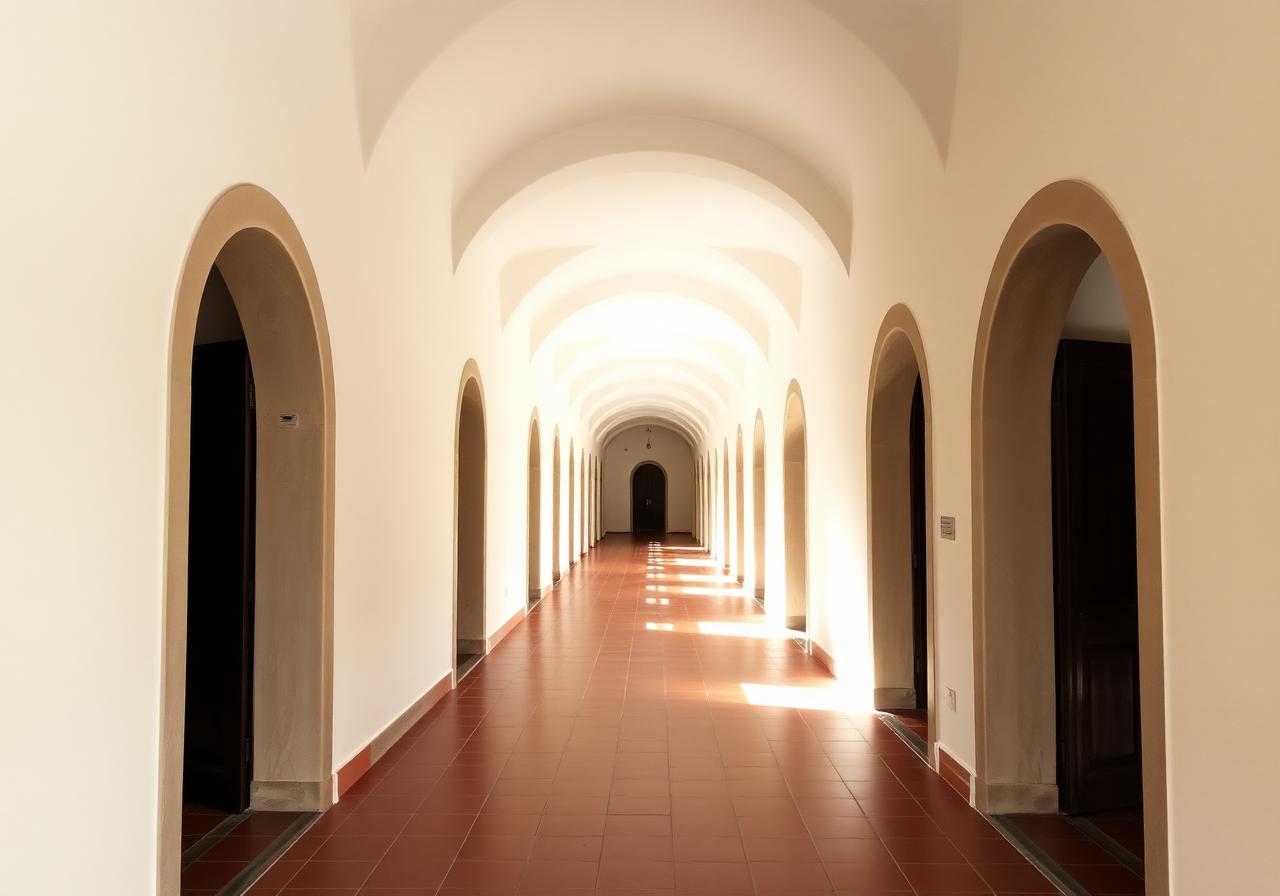
Scale, layout and circulation influence whether a space feels safe, focused or overwhelming.
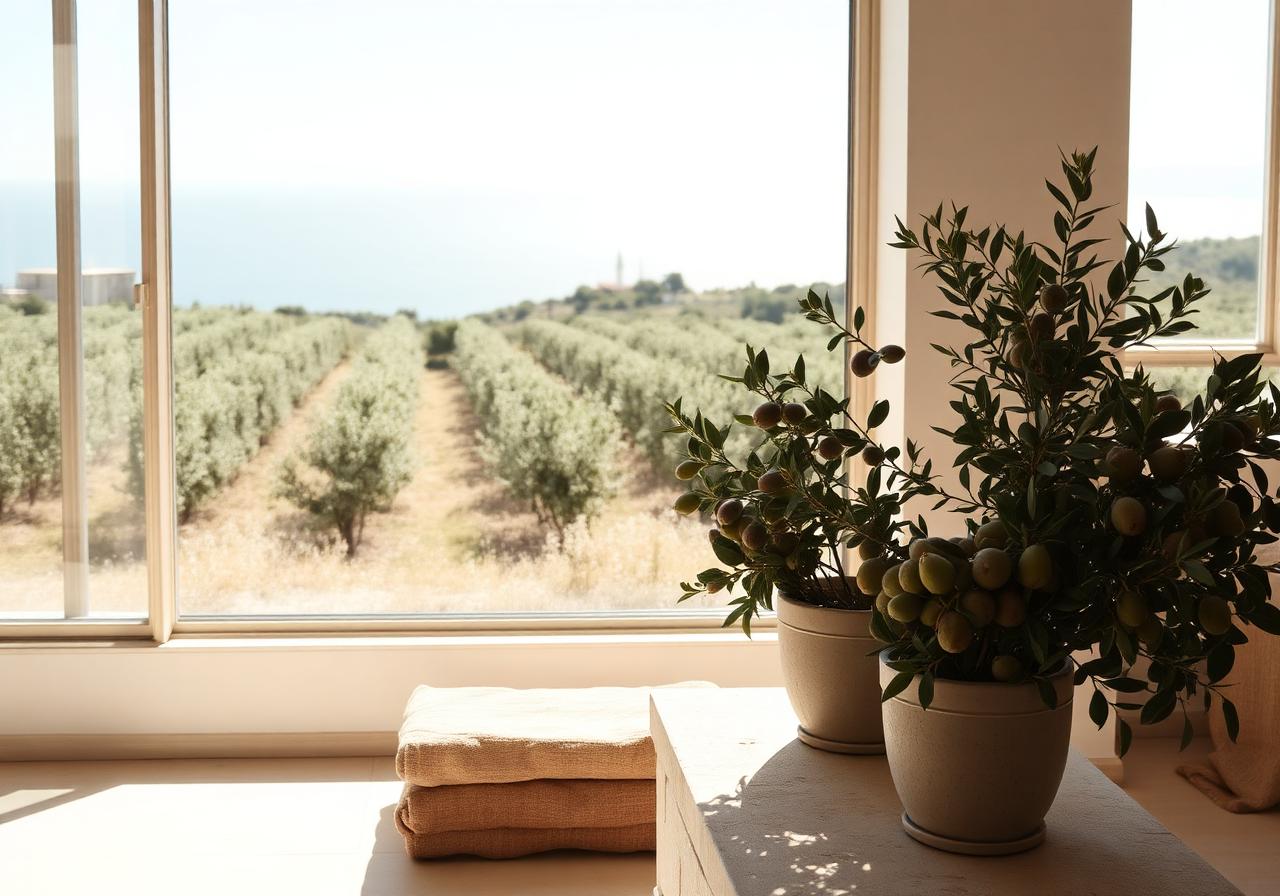
Views, materials, plants and natural cues support mood, restoration and a sense of peace.
Every space places small demands on the body. These are the patterns we see the most:
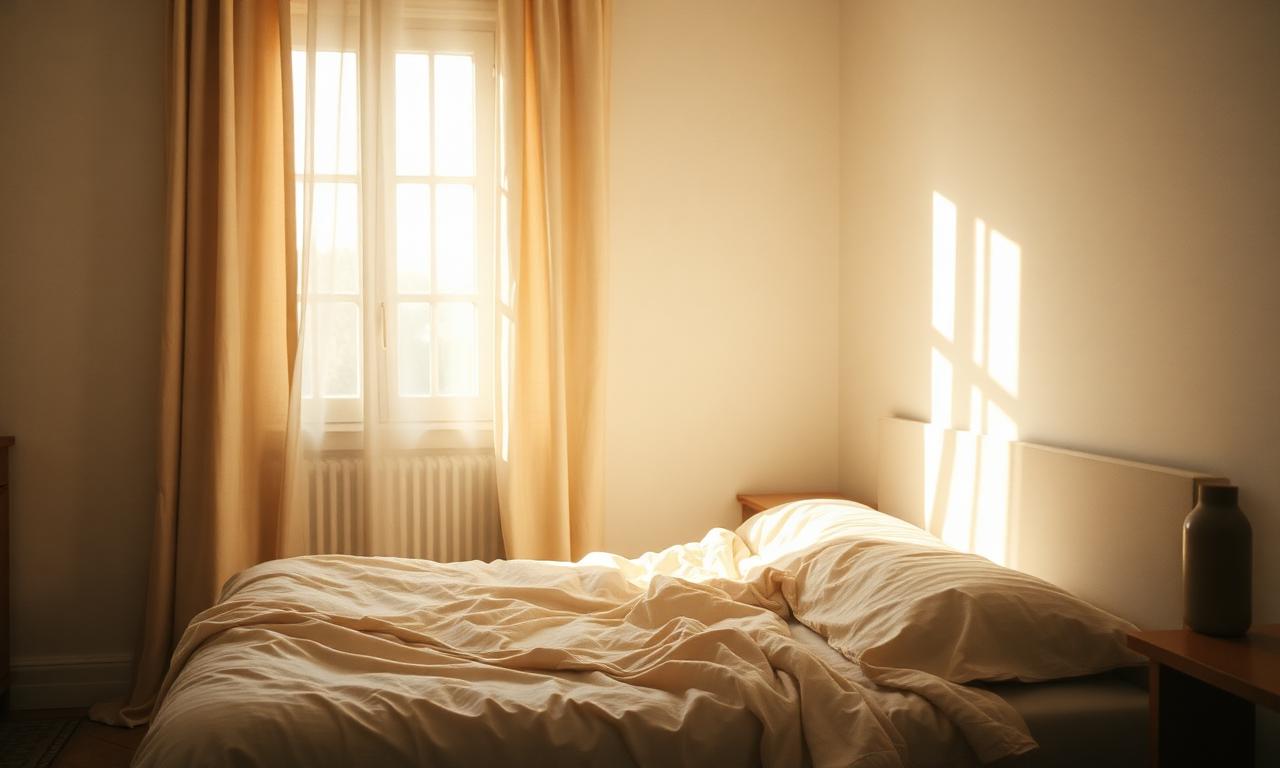
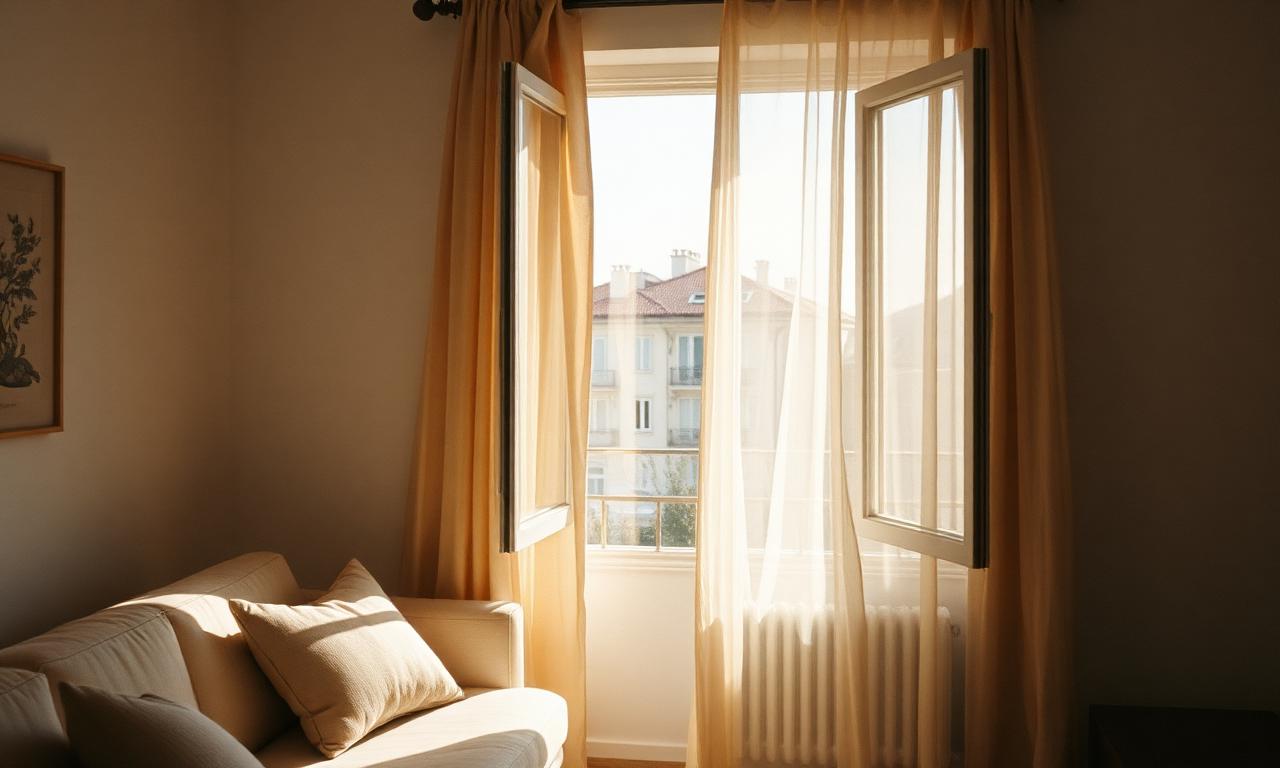
Morning sun reaches the bedroom before 7 a.m. and sleep becomes lighter.
Dry air and poor ventilation can contribute to earlier mental and physical fatigue.
The brain keeps filtering it, and focus quietly costs more.
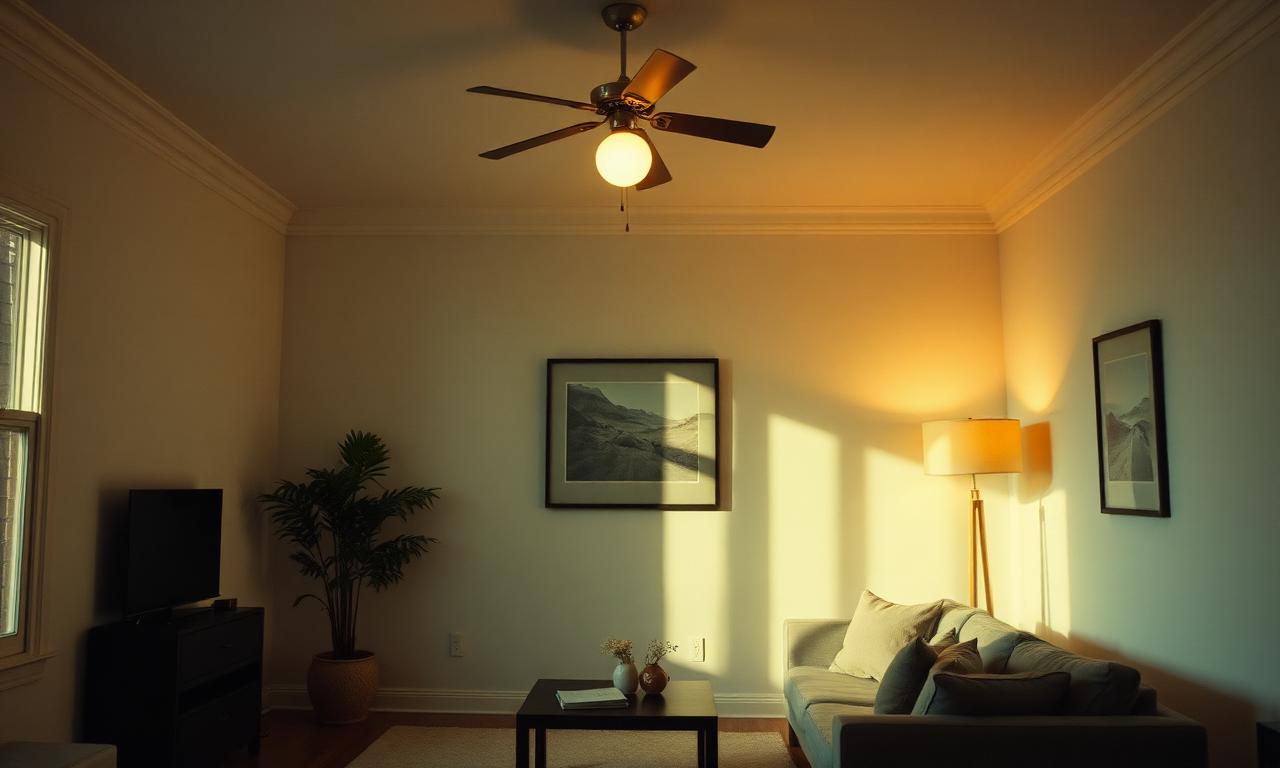
Bright, cool artificial light in the evening may delay melatonin release.
Thermal comfort drops and deep recovery becomes harder.
Most people have never looked at their home through the lens of human health.
Answer a few questions to discover how your environment may be influencing your sleep, energy, focus and recovery.
For decades, researchers across neuroscience, environmental psychology and building science have been studying how our surroundings influence the human body.
Studies how physical environments influence emotion, behaviour and wellbeing.
Explores how the brain continuously processes light, sound, spatial perception and stress.
Demonstrates how natural light regulates our circadian rhythm and sleep quality.
Shows measurable improvements in attention, stress recovery and mental restoration through contact with nature.
Links air, temperature and acoustics to health, productivity and cognitive performance.
Answer twelve brief questions across four areas: your home, how you live in it, what you have noticed so far and your goals. Based on your responses, we will prepare a preliminary wellbeing snapshot of your home.
We assess light, air, acoustics, temperature, spatial flow and connection to nature, then translate the findings into a clear plan for what matters most.
Your Assessment includes:
Apartment · Semi-detached house · Detached house · Rural property · Other
START WELLBEING QUESTIONNAIRE • FREE →"I believe in architecture made for the whole human being, and not for the eyes alone."Alessandro OliveiraArchitect
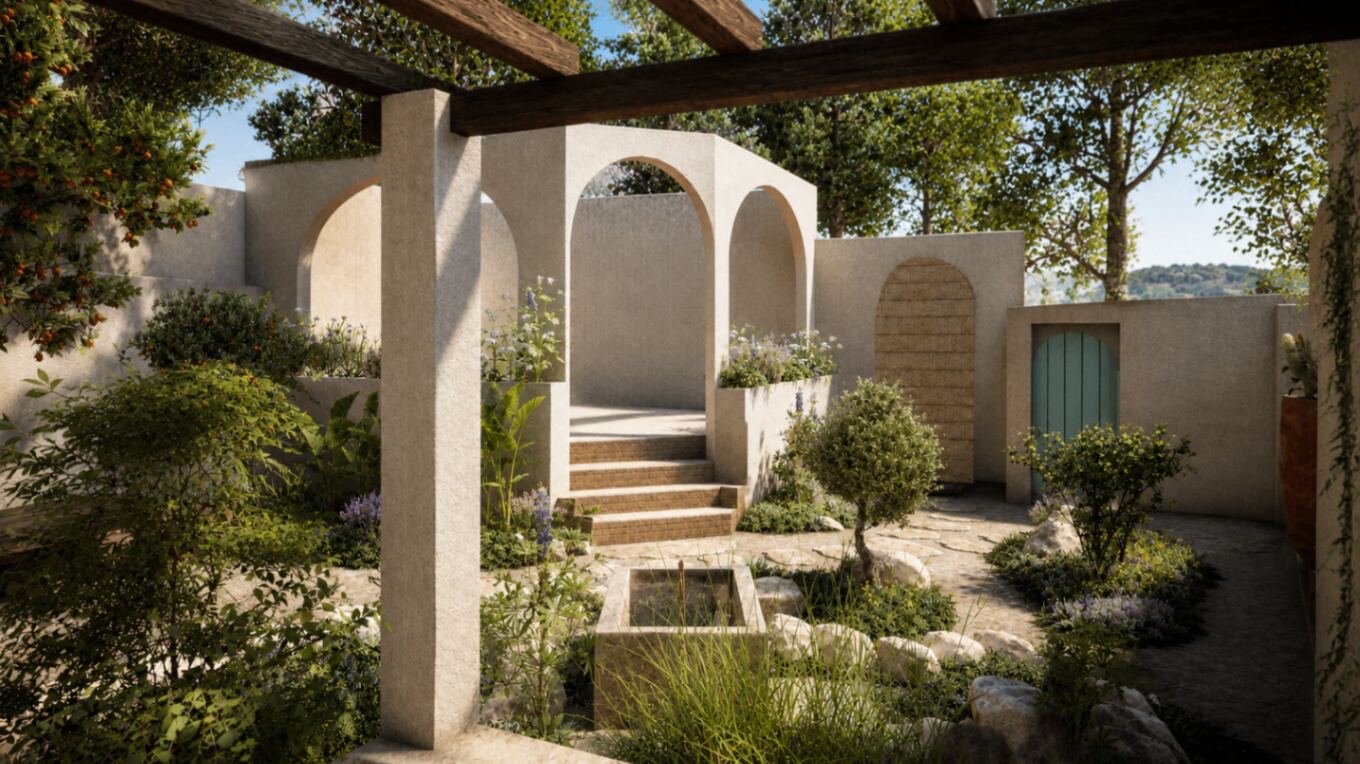
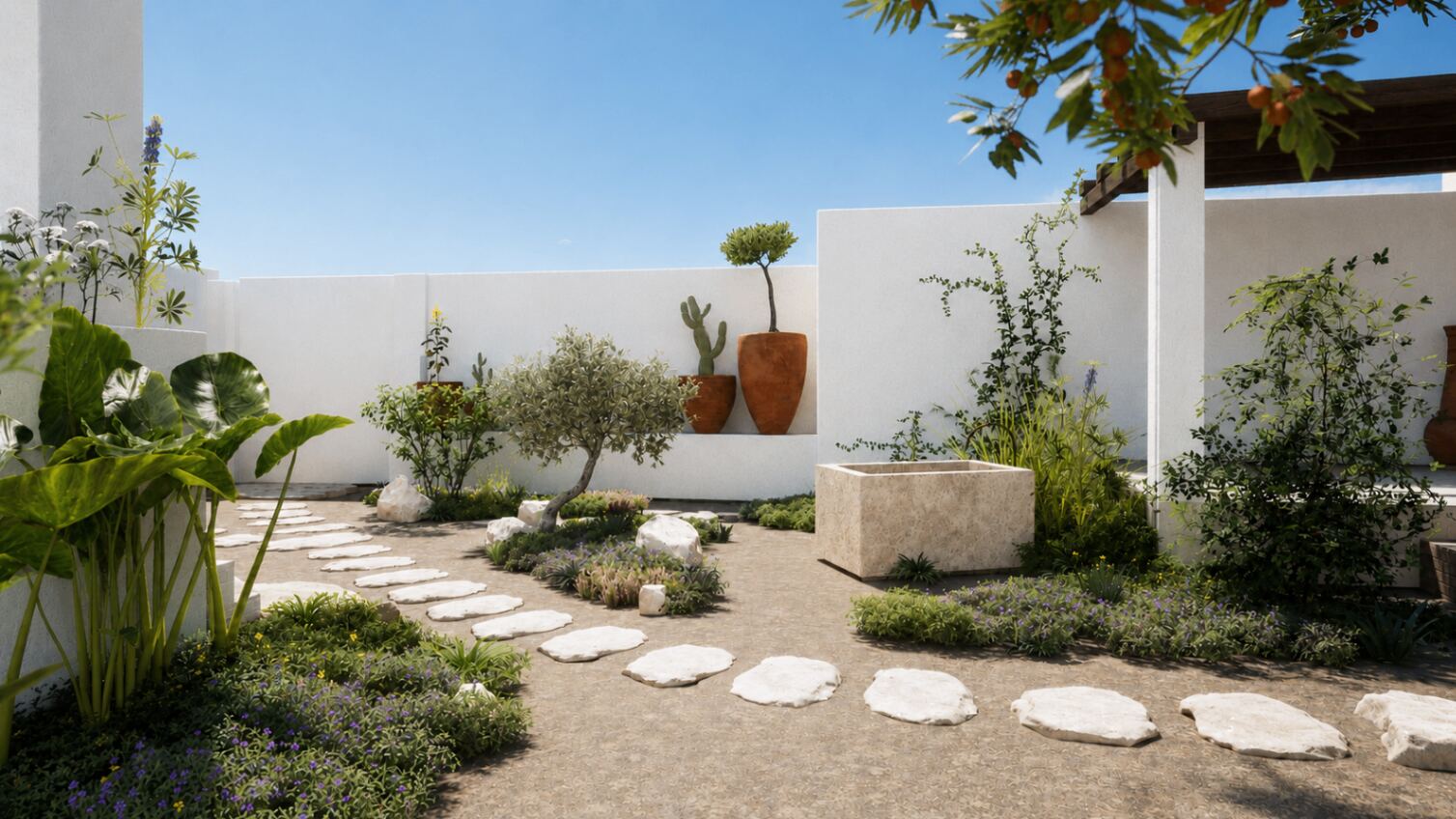
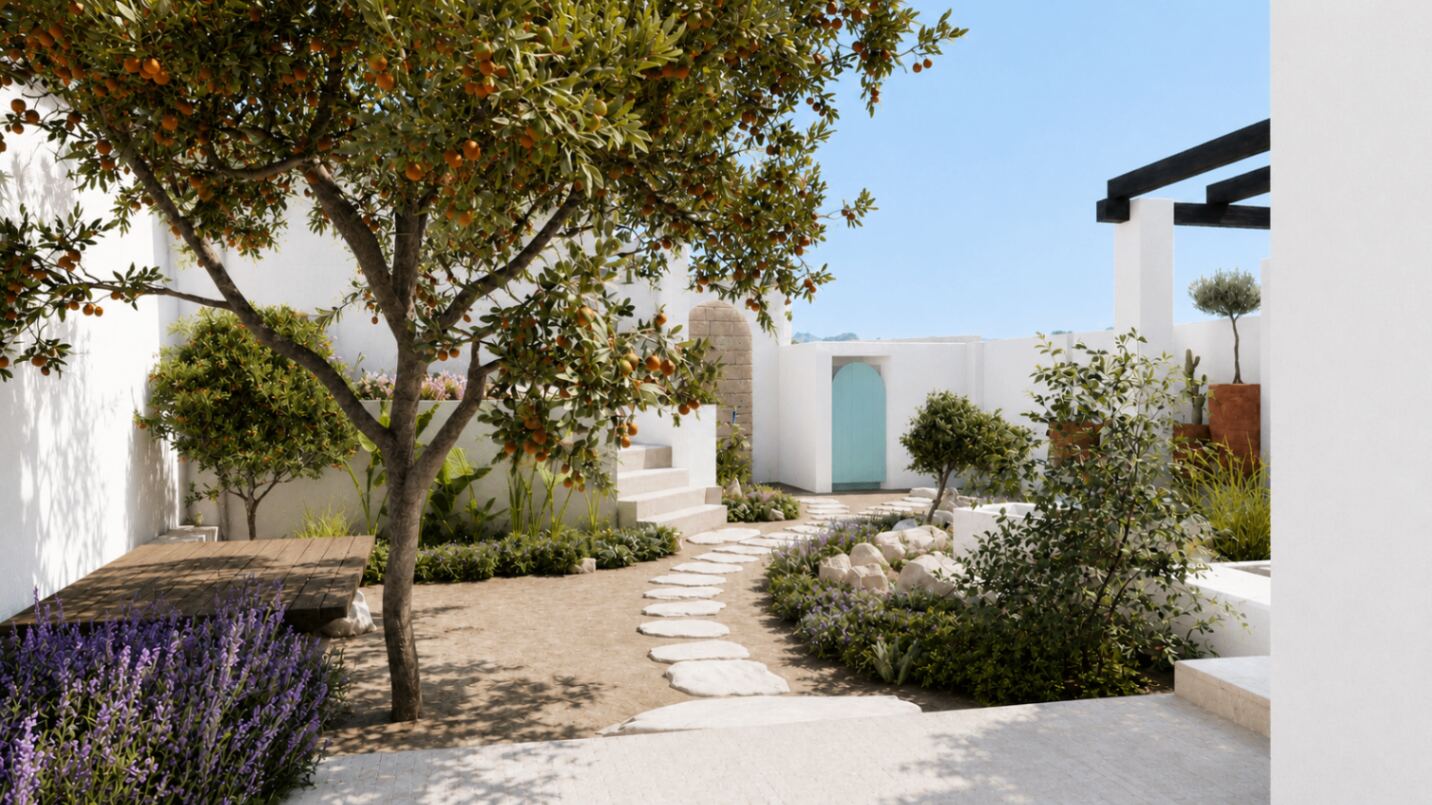
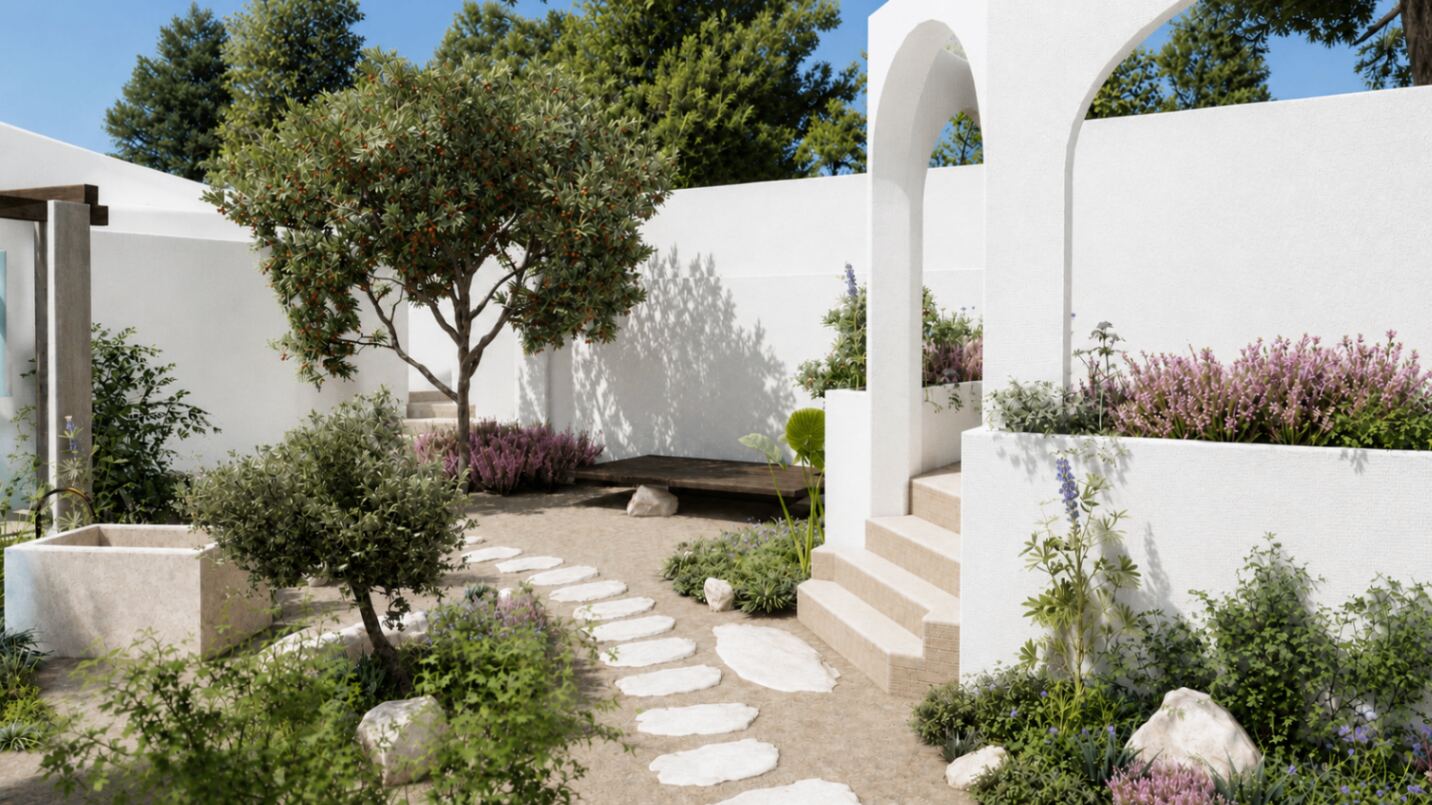
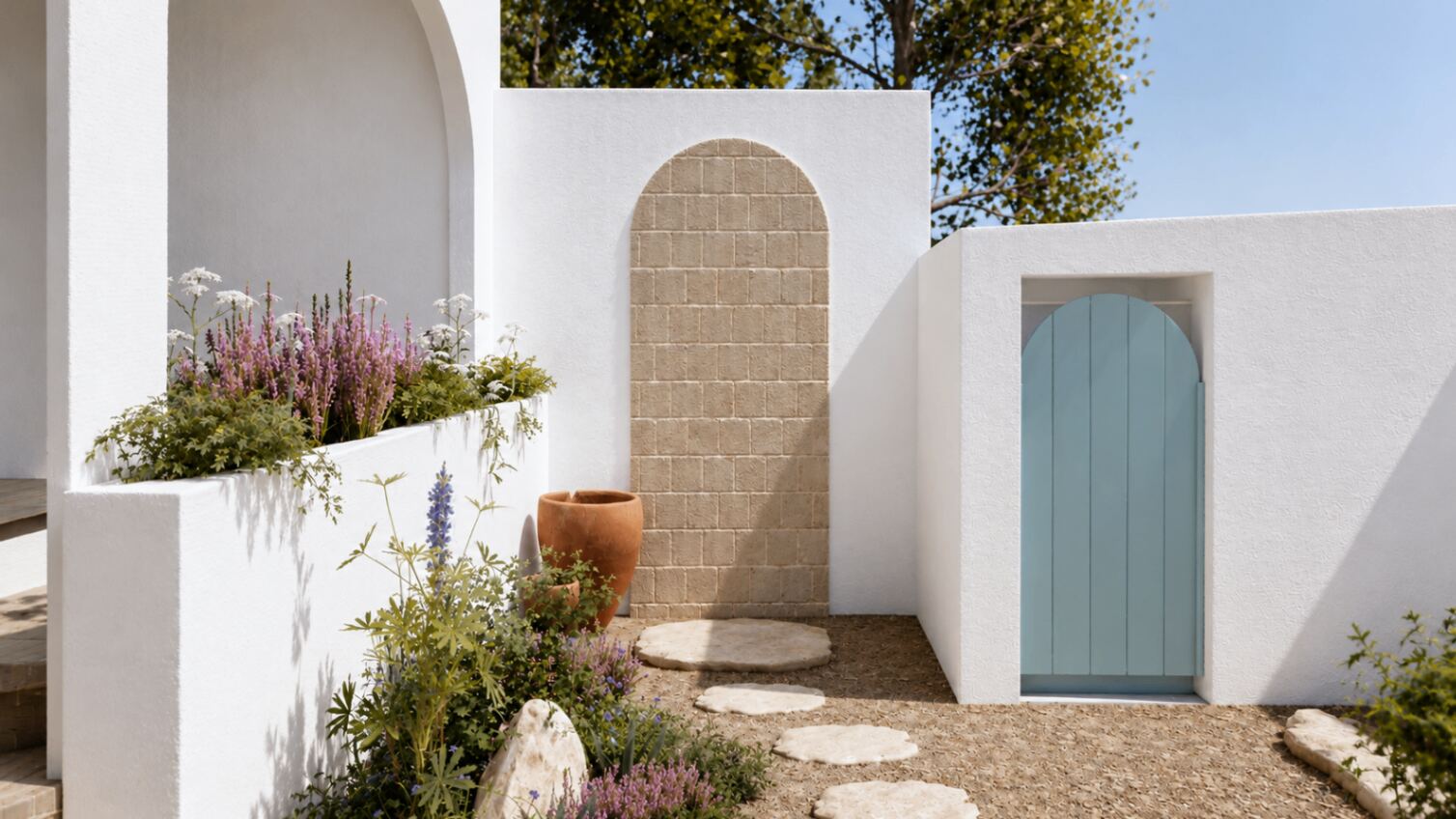
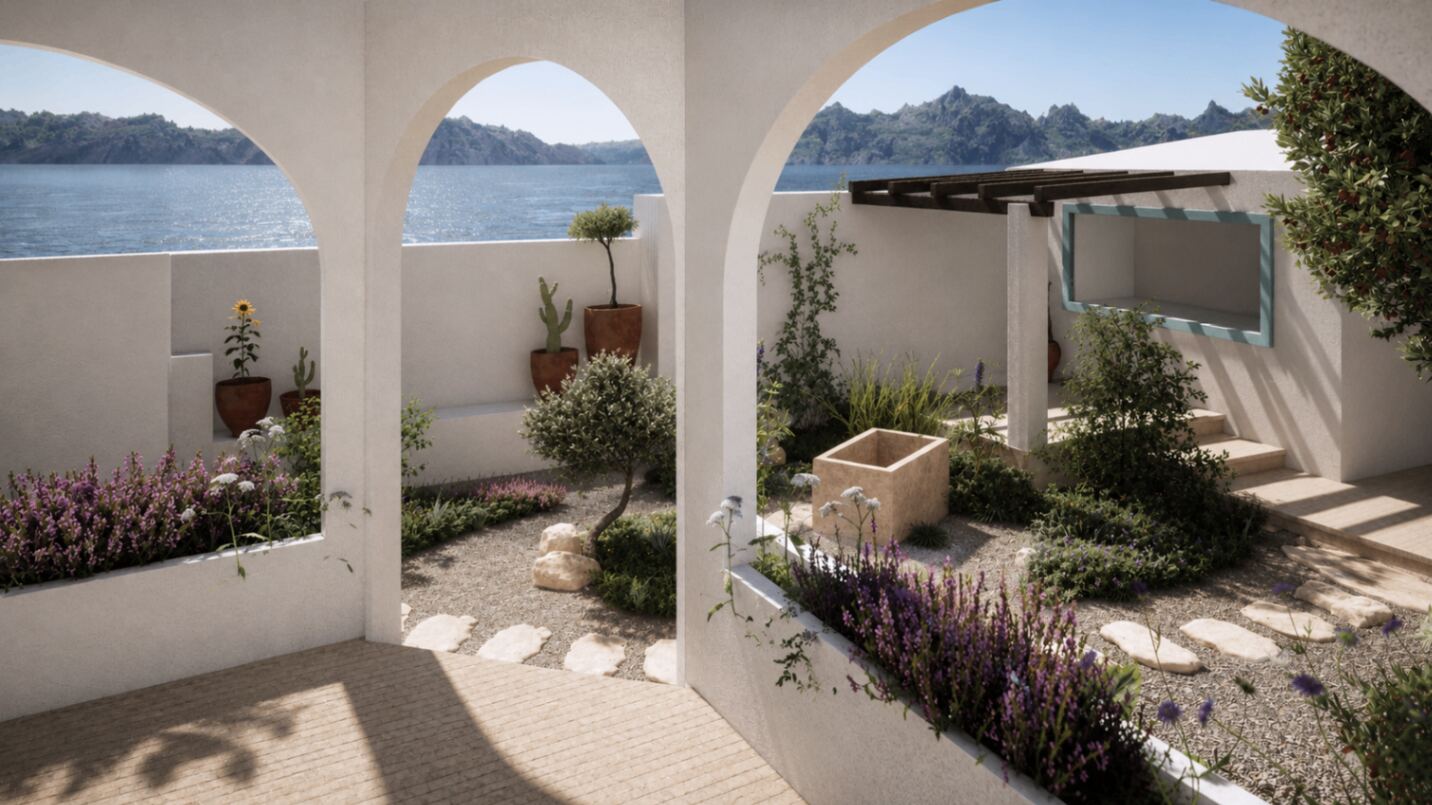
A walled Mediterranean garden of arches, stone paths and native planting, composed for shade, scent and the slow passage of the day.
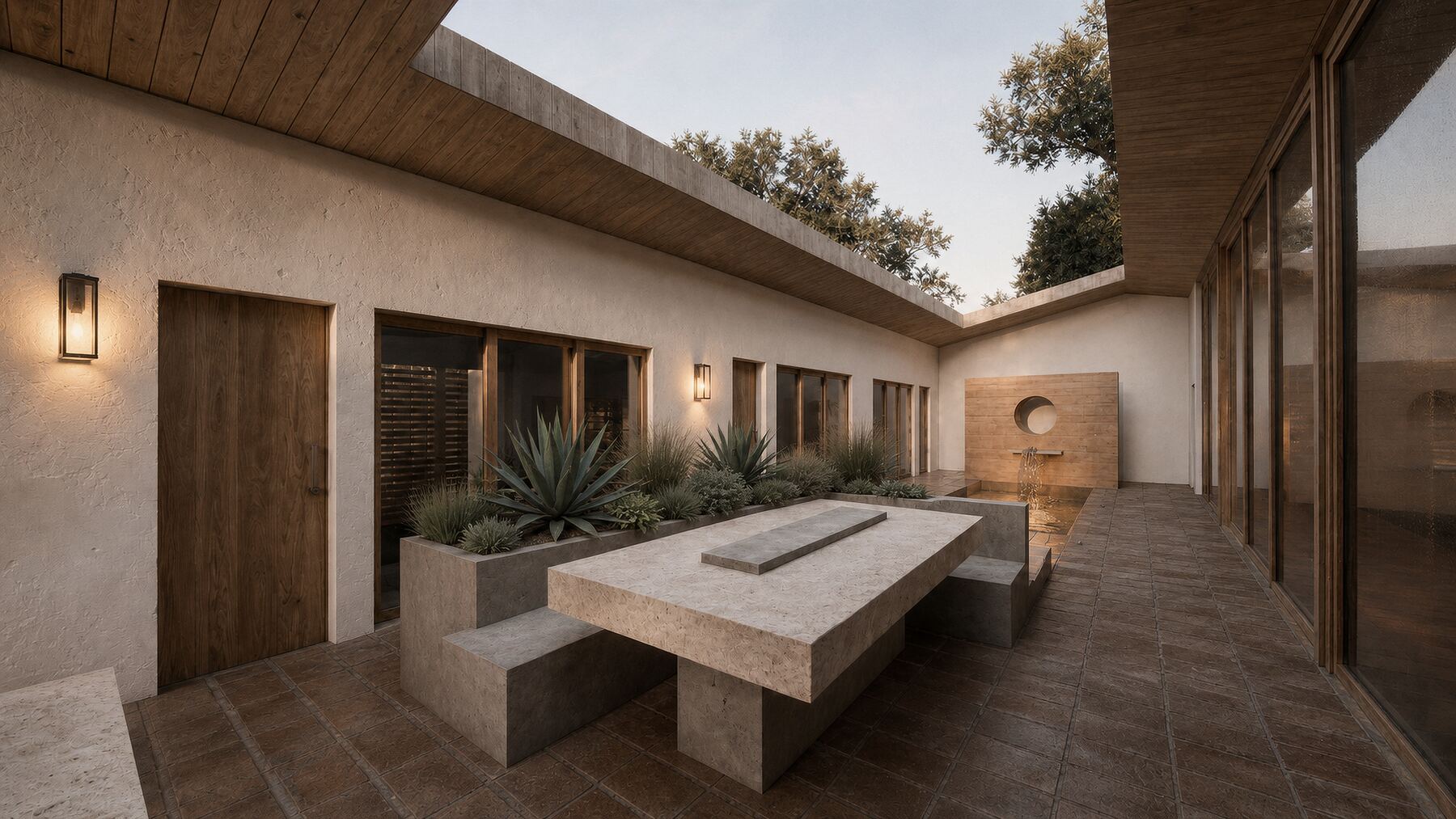
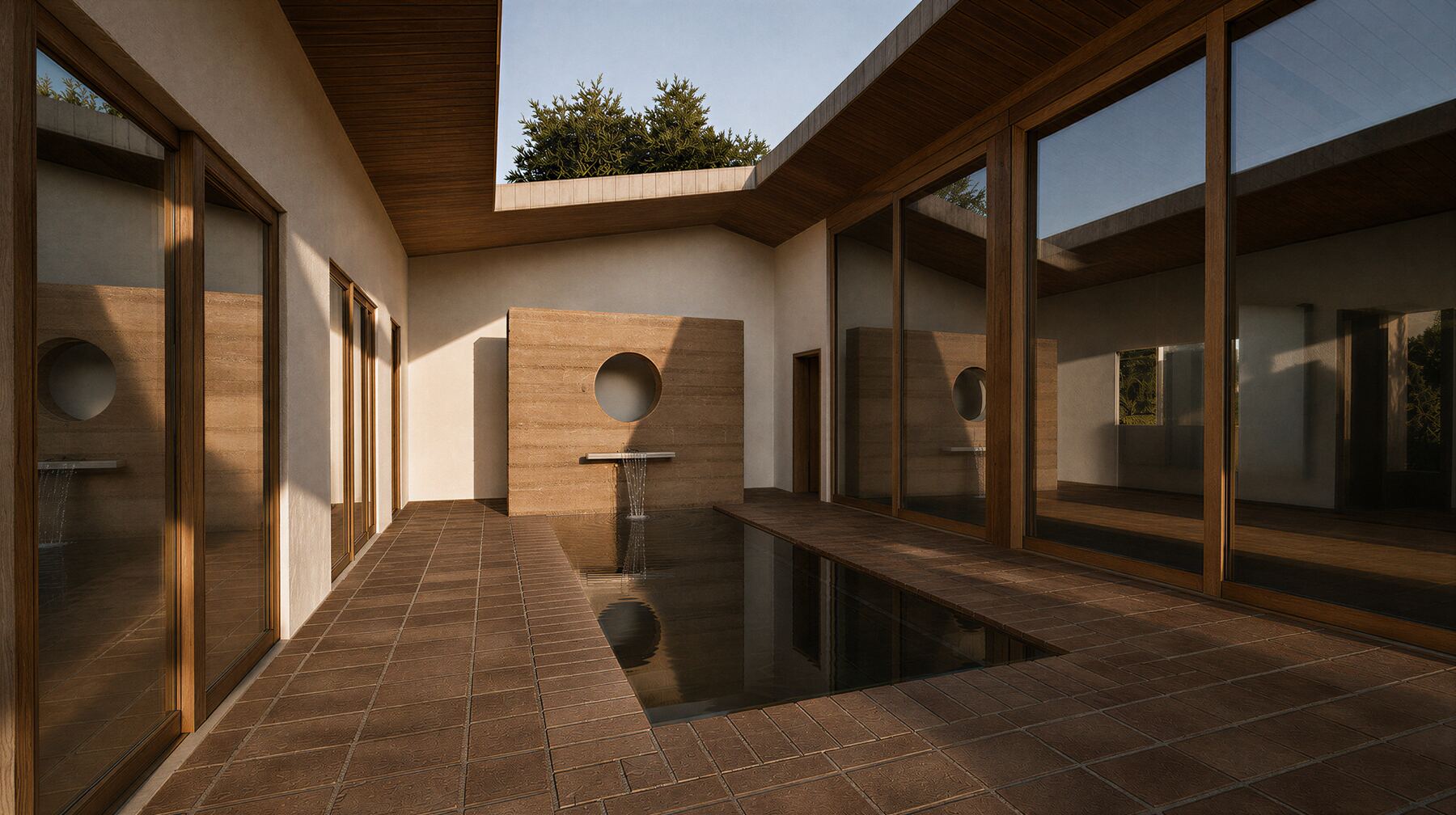
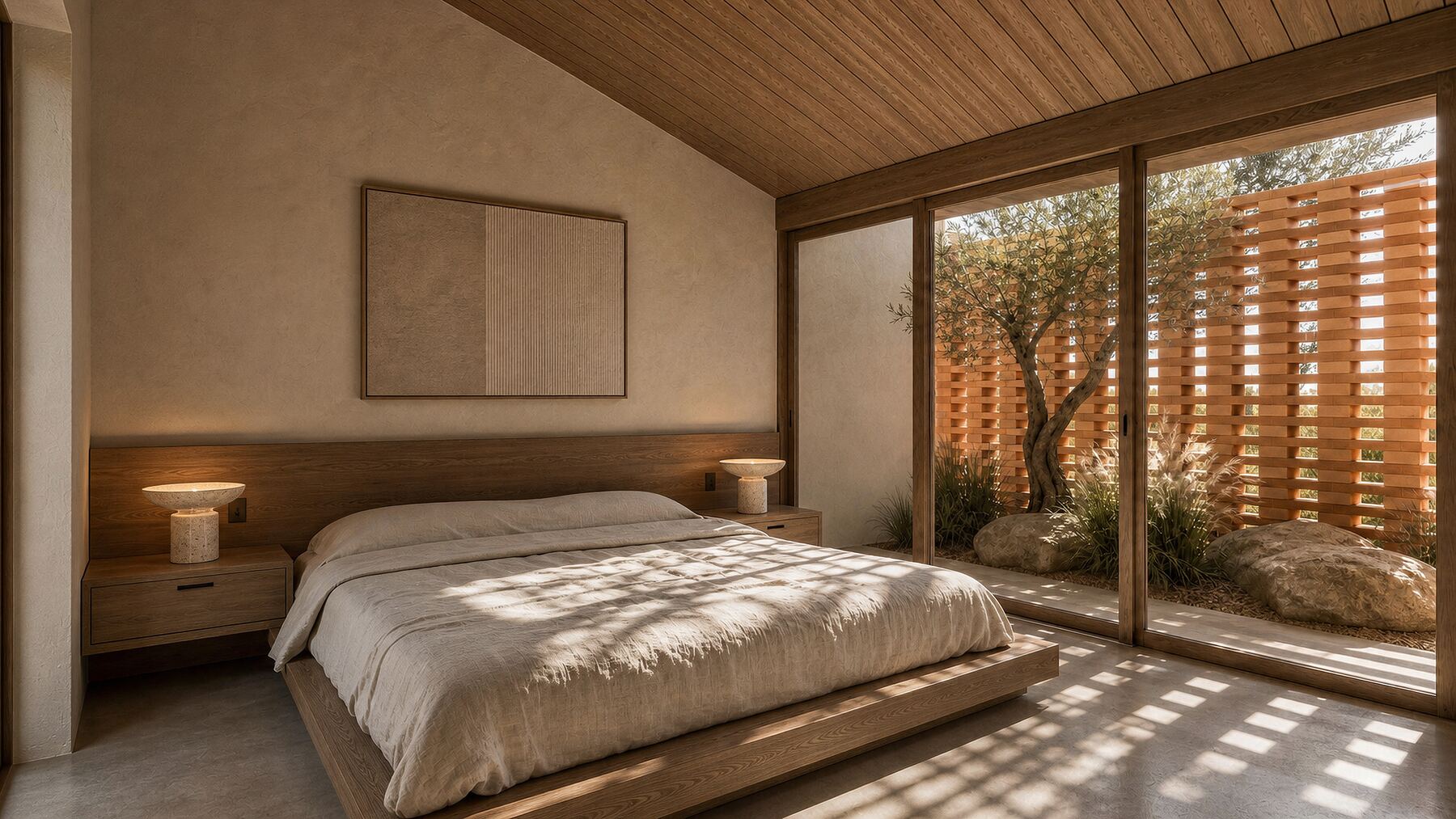
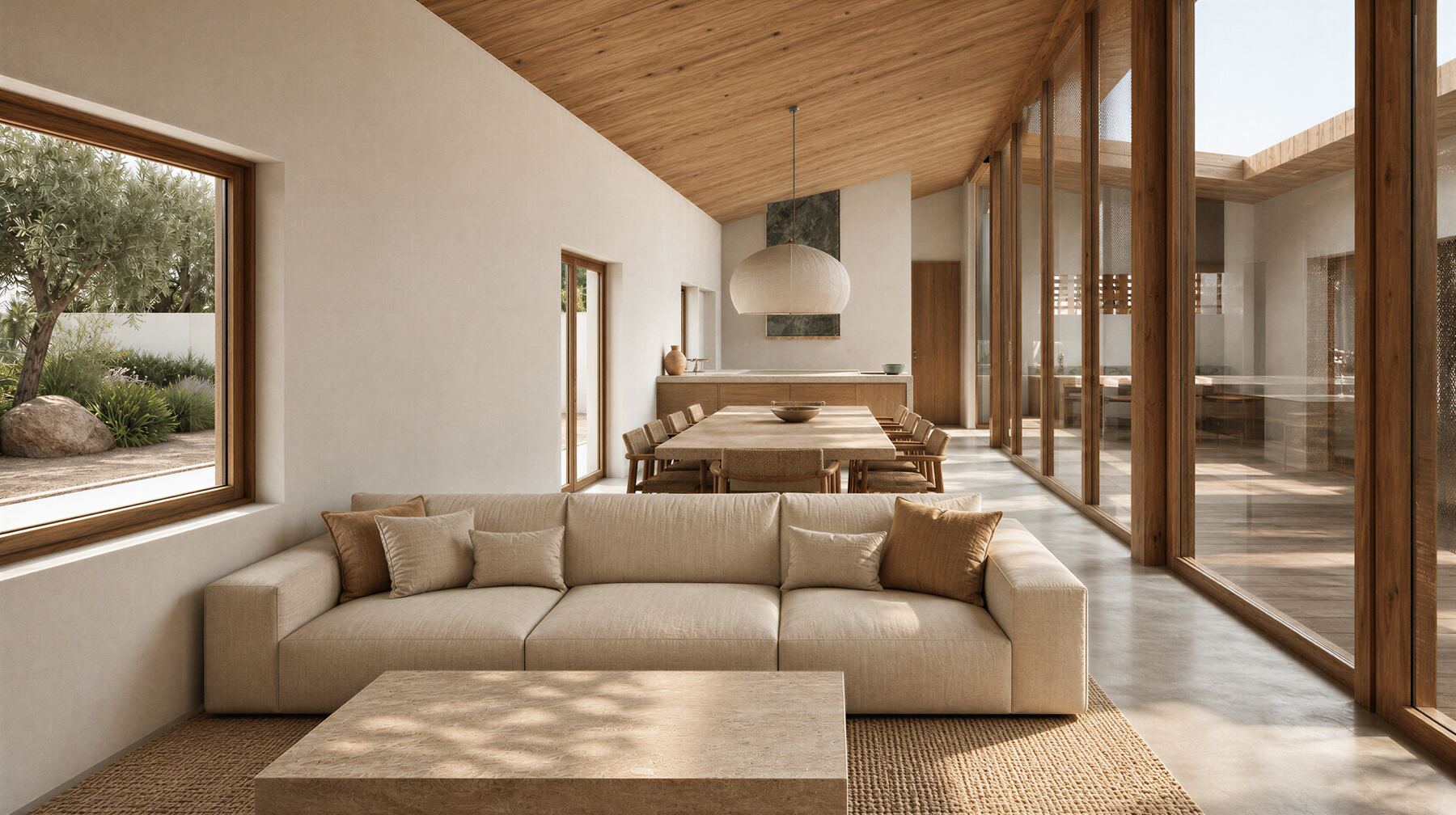
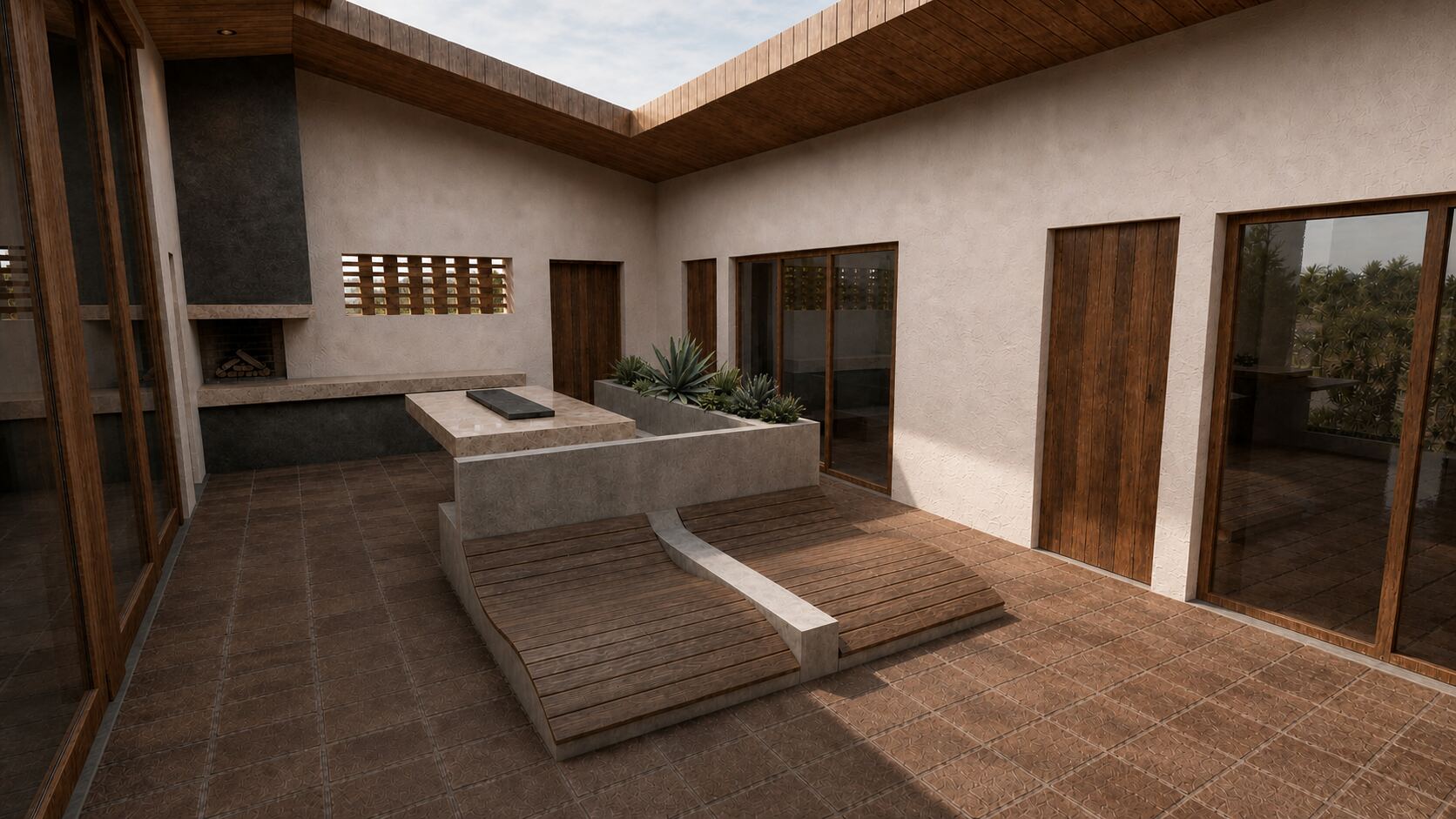
Rural residence composed around silence, light and the long horizon of the Alentejo, with interior rooms shaped for restoration and quiet daily rhythms.
Selected architectural work by Alessandro Oliveira prior to ITORA. Shown for context.
On-site visit, instrumented reading of the six conditions, and a written report with prioritised recommendations.
Assessments are scheduled by Alessandro and the ITORA team. We coordinate visits across both coastal zones so you can book at your own pace.
Clear answers for a service that begins with observation, science and practical decisions.
A personalised preliminary snapshot by email within 48 hours, highlighting the stressors most likely present in your home and the first improvements to consider.
No. The snapshot is a first reading based on your questionnaire answers. The ITORA Assessment is an architect-led, on-site evaluation with instrumented measurements, scores and a prioritised plan.
You can act on the initial recommendations yourself, or request the full ITORA Assessment if you want precise measurement and a complete wellbeing strategy for your home in Portugal.
The full home wellbeing assessment investment will range from 600–900 euros, based on your home scale and location.
ITORA works mainly in the West (Cascais–Nazaré) and South Coastal Zones (Vicentine coast–Algarve). Different locations may be considered.
Location confirms whether your home is within our service zones. Phone is used only when there is a clear fit, to discuss the Assessment directly.
Not necessarily. Many improvements are operational or small-scale. The Assessment exists precisely so you only invest in changes that matter.
A complete report with an overall wellbeing score, category scores, strengths, stressors and prioritised recommendations, plus a recommended strategy for upgrades or a larger transformation.
Yes. ITORA draws on environmental psychology, chronobiology, biophilic design and indoor environmental quality research, applied through architectural practice.
No. ITORA evaluates the home environment and its wellbeing conditions. It does not diagnose, treat or replace medical advice. Statements about sleep, comfort and recovery refer to environmental factors that may influence them, not medical outcomes.
The questionnaire gives you a pre-diagnosis of your home based on your answers, a first sense of where wellbeing is being supported or quietly undermined. When you want precision, ITORA measures your residence in Portugal on-site and turns the findings into a complete wellbeing strategy.